Skip to content
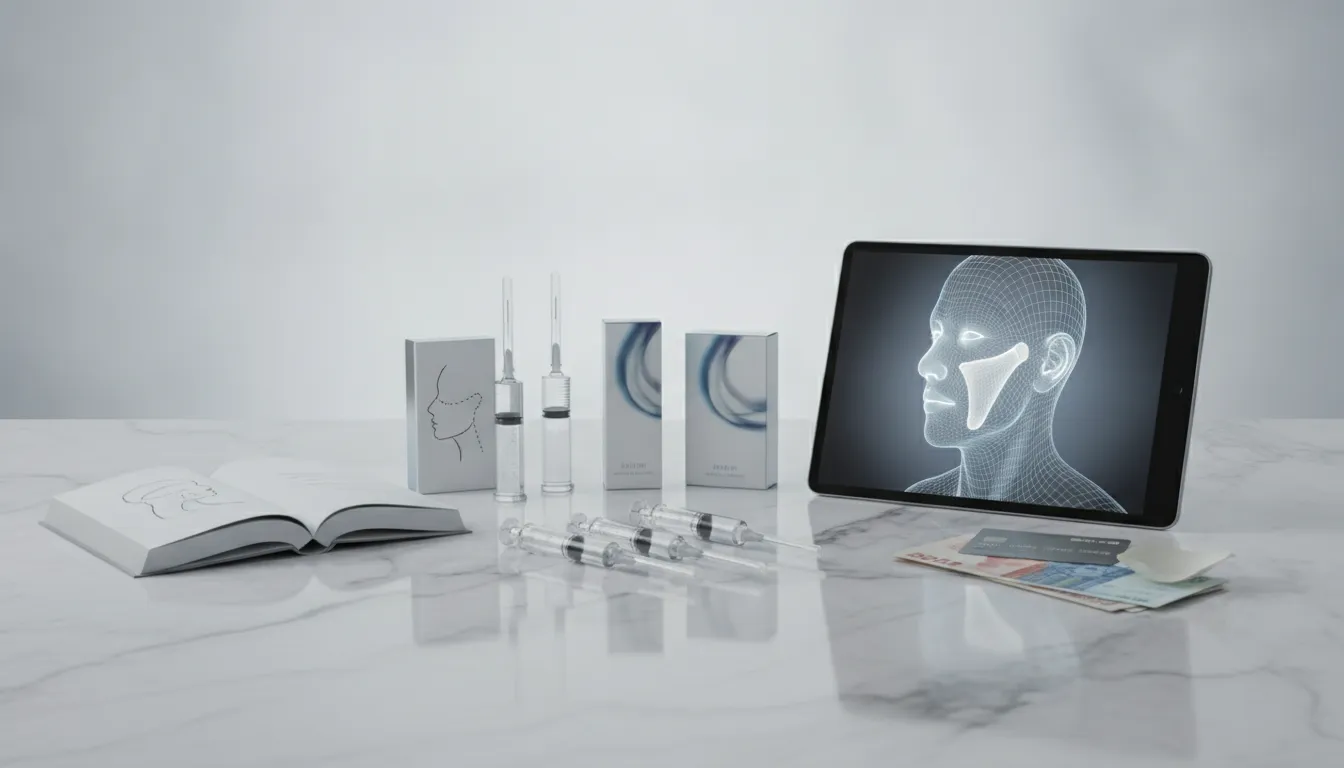
A cheek filler appointment involves more than the injectable itself. Your total cost may include a consultation, facial assessment, numbing, injection services, aftercare, and follow-up support. The cost of cheek fillers can also change based on the brand, formula, number of syringes, and complexity of your treatment plan. That makes it important to compare complete estimates instead of choosing the lowest advertised price. If you are researching cheek filler in Oceanport, New Jersey, this guide will help you understand common pricing ranges and the questions worth asking. You will also learn how provider training and treatment quality factor into the overall value.
Key Takeaways
- Plan for individualized pricing: Cheek filler in Oceanport, NJ, often ranges from $900 to $1,200 per syringe, with the final cost shaped by the product, treatment areas, and amount needed.
- Request a detailed estimate: Confirm whether your quote includes the consultation, filler, injection fees, numbing, aftercare, follow-up visits, taxes, and possible refinements.
- Choose experience over price alone: Select a licensed injector who understands facial anatomy, recommends a suitable treatment plan, and maintains clear safety and follow-up procedures.
What Is the Average Cost of Cheek Fillers?
Cheek filler typically costs $900 to $1,200 per syringe in Oceanport, NJ, although your final price may vary. The product selected, number of syringes, provider’s experience, and treatment plan all influence the total. Nationally, hyaluronic acid fillers average about $715 per syringe, while non-hyaluronic acid fillers average around $901, according to this dermal filler cost guide.
The quoted price may include more than the filler itself. Depending on the practice, it may cover your consultation, facial assessment, injection appointment, numbing, aftercare instructions, and follow-up support. Ask for an itemized estimate so you understand exactly what you are paying for.
Because cheek filler is tailored to your facial structure and goals, online averages can only provide a starting point. An in-person consultation with a qualified medical provider, such as the team at Synergy Wellness and Medispa, can provide a more accurate recommendation.
Compare national and Oceanport, NJ prices
National averages offer useful context, but they may not reflect local pricing. In Oceanport and other coastal New Jersey communities, cheek filler commonly falls toward the higher end of the broader market, with many treatments ranging from $900 to $1,200 per syringe.
Local prices may reflect provider training, medical oversight, product sourcing, facility standards, and the cost of operating a medical practice. A lower quote is not necessarily the best value if it excludes important services or does not clearly identify the injector and product.
When comparing prices, ask whether the quote covers one syringe or the recommended treatment plan. Confirm whether the price includes consultation fees, taxes, numbing, follow-up visits, and aftercare. These details help you compare estimates accurately instead of focusing only on the advertised starting price.
Compare the cost of one cheek and both cheeks
Treating one cheek may require one to two syringes, for an estimated total of about $650 to $1,600. Both cheeks may require two to four syringes, with an estimated cost of approximately $1,300 to $3,200, according to this cheek filler pricing reference.
These figures are general estimates, not guaranteed prices. Someone with mild asymmetry may need less product, while someone addressing significant volume loss or seeking more definition may need more. Providers also evaluate both sides of the face together because treating one cheek can affect overall facial balance.
Your plan should prioritize proportion and facial harmony rather than a specific syringe count. In some cases, treating both cheeks creates a more balanced result, even when one side appears to be the main concern. Your injector should explain the recommendation before treatment begins.
Understand per-syringe, per-area, and per-treatment pricing
Clinics commonly price cheek filler per syringe, per area, or per treatment. With per-syringe pricing, you pay for each syringe used. Individual syringes may range from about $500 to $1,000, depending on the filler and provider, as noted in this dermal filler pricing overview.
Per-area pricing sets one fee for treating the cheeks, but you should ask how much product that fee includes. Per-treatment pricing may combine the consultation, filler, injections, aftercare, and follow-up into one package. This structure can make the total easier to understand, but the included services should still be listed clearly.
Before booking, ask whether the practice charges by syringe, vial, treatment area, or appointment. Also ask what happens if your provider recommends more or less product than expected. A written estimate can help prevent confusion about additional charges.
Learn why you need a consultation for an accurate quote
A consultation allows your provider to assess your facial structure, skin quality, existing volume, symmetry, and aesthetic goals. These details help determine whether cheek filler is appropriate and how much product may be needed. They also allow your injector to create a measured plan rather than applying the same syringe count to every patient.
Discuss the filler type, expected longevity, possible risks, and recommended number of syringes or vials. Ask whether the quoted price includes both cheeks, follow-up visits, and any refinement appointment. This dermal filler consultation guide can help you prepare questions for your visit.
A consultation also gives you time to understand the provider’s treatment philosophy and decide whether the plan feels right for you. At Synergy Wellness and Medispa, the medical team can discuss your goals and develop a cheek filler plan based on your features, preferences, and comfort level.
What Affects Cheek Filler Costs?
The cost of cheek filler depends on more than the price listed for a single syringe. Your total may reflect the filler brand, the amount of product needed, your provider’s experience, and the complexity of your treatment plan. Facial structure, age-related volume loss, asymmetry, and your preferred level of definition can all affect the recommendation.
When comparing quotes, look at the complete plan rather than choosing the lowest advertised price. Ask which product your provider recommends, how many syringes may be appropriate, which areas are included, and whether follow-up care comes with the treatment. At Synergy Wellness and Medispa, a consultation allows the team to assess your facial structure and discuss an approach that fits your aesthetic goals.
Consider the filler brand, formula, and amount
Different fillers have different formulas, textures, and uses, so their prices can vary. Hyaluronic acid fillers, including Juvéderm Voluma and Restylane Lyft, are often used to add structure and volume to the cheeks. Other products, such as Radiesse and Sculptra, work differently and may be considered for structural support or gradual changes related to collagen production.
The amount of product also affects your total. One industry pricing guide reports an average of about $715 per syringe for hyaluronic acid fillers and about $901 for non-hyaluronic acid options, though prices vary by product and location. Reviewing general dermal filler cost ranges can help you prepare, but your provider should recommend a product based on your anatomy and goals.
Account for syringes and treatment areas
Cheek filler may be priced by syringe, treatment area, or complete treatment plan. The number of syringes depends on whether you are treating one cheek or both, how much volume has been lost, and how much contour or projection you want. A subtle adjustment may require less product, while restoring volume across both cheeks may involve more than one syringe.
Some pricing guides estimate that cheek treatment may require two to four syringes, with total costs ranging from approximately $1,300 to $3,200. These figures are general estimates, not a personal quote. Confirm whether the price covers both cheeks, whether the provider can use part of a syringe, and how any additional product would be billed.
Evaluate injector experience and medical oversight
Your injector’s training and experience are important parts of the treatment’s value. Cheek injections require knowledge of facial anatomy, proportions, product placement, and safe injection technique. An experienced provider will consider how the cheeks relate to the under-eye area, temples, jawline, and lower face before recommending a specific amount.
A higher fee may reflect advanced training, medical supervision, consultation time, and established safety procedures. Ask about the injector’s credentials and experience with cheek filler, not just their general aesthetic background. The American Society of Plastic Surgeons’ dermal filler guidance recommends discussing qualifications, product selection, expected results, and potential risks before treatment.
Factor in location and practice setting
Geographic location can affect cheek filler prices. Local demand, staffing, rent, operating expenses, and the cost of medical supplies all contribute to a practice’s pricing. Treatments in coastal metropolitan areas may cost more than those in rural communities, but a lower regional price does not automatically indicate better value.
The practice setting also matters. A medical spa with trained clinical staff, proper product storage, consultation time, and established safety protocols may charge differently from a temporary discount event. When comparing Oceanport, NJ providers, consider credentials, cleanliness, communication, and treatment standards alongside the price per syringe.
Consider facial anatomy, asymmetry, and treatment complexity
Every face has its own proportions and natural asymmetries. Differences in cheek projection, volume loss, skin laxity, and facial balance may require a more detailed treatment plan. Your provider might recommend different injection points or amounts on each side to create a balanced, natural-looking result.
More complex treatments can require additional planning and injection time, which may affect the total cost. Facial anatomy and asymmetry can influence both the technique and the amount of product used, as noted in this overview of dermal filler treatment factors. Be cautious of fixed-price promises that apply the same syringe count to every patient.
Plan for follow-up care, touch-ups, and additional services
Before treatment, ask what follow-up care includes. Temporary swelling, redness, tenderness, and bruising can occur after cheek filler. Your provider may recommend a follow-up visit to evaluate healing and results. A touch-up might be appropriate in some cases, but it is not automatically needed and should depend on your treatment plan.
Because cheek filler is temporary, maintenance treatments may be needed in the future. Timing varies according to the product, placement, metabolism, and individual response. Your overall aesthetic plan may also include complementary services, such as SkinMedica medical-grade skincare. Confirm whether follow-up visits, refinements, aftercare, and additional services are included or billed separately.
How Many Syringes of Cheek Filler Do You Need?
There is no universal syringe count for cheek filler. The amount depends on your facial structure, existing volume loss, skin elasticity, natural asymmetry, and the type of result you want. Someone seeking a subtle contour may need less product than someone looking to restore more noticeable midface volume.
A qualified injector should evaluate your face from multiple angles and discuss your goals before recommending a treatment plan. At Synergy Wellness and Medispa in Oceanport, New Jersey, a consultation can help determine whether cheek filler is appropriate and how much product may suit your features.
It is also important to remember that more filler does not automatically create a better result. Strategic placement and a conservative approach can help support your natural proportions while reducing the risk of an overly full appearance.
Compare common plans with one, two, or more syringes
A treatment may begin with one syringe total, divided between both cheeks. This can be a reasonable option for someone seeking gentle contouring or addressing early volume loss. Another plan may use one syringe per cheek when more visible definition or additional support is appropriate.
People with more significant volume loss may need several syringes, either during one appointment or across multiple visits. Some providers report ranges of two to four syringes per cheek for patients with more advanced changes, but that range is not a recommendation for every patient. As Beautox Bar explains, the amount varies from person to person.
Your injector may recommend starting with less product and reassessing your results before adding more. This gives you greater control over the final appearance and allows the treatment plan to reflect how your face responds.
Understand treatment for one cheek versus both cheeks
Most cheek filler treatments address both sides of the face because balanced placement typically supports a natural-looking result. However, treating one side may be appropriate when there is visible asymmetry, uneven volume, or a difference caused by an injury or previous procedure.
When comparing prices, confirm whether the quote covers one cheek, both cheeks, or the entire treatment area. Practices may charge by syringe, treatment area, or appointment, so two prices may not include the same services. ProMD Health discusses how cheek treatments can involve multiple syringes, depending on the areas being treated.
Ask how the filler will be distributed between your cheeks. An even split may work well for symmetrical treatment, while an uneven amount may better address your individual anatomy.
Consider volume loss, skin laxity, age, and desired definition
The degree of volume loss is one of the main factors that affects syringe count. Mild hollowing may require less product than more advanced volume changes in the midface. Skin laxity also matters. When the skin has lost elasticity, your provider may recommend a broader treatment strategy instead of placing a large amount of filler in one small area.
Your desired result is another important consideration. A soft, subtle contour calls for a different plan than sharper cheek definition. Age may provide useful context, but it should not determine the amount by itself. Two people of the same age can have very different bone structure, facial proportions, skin quality, and volume loss.
An in-person consultation allows your provider to consider these factors together. The goal is to choose the appropriate product and amount for your face, rather than use a predetermined number of syringes.
Learn why providers may recommend staged treatment
Staged treatment involves receiving an initial amount of filler and returning for an assessment before deciding whether additional product is needed. This option may be helpful if you are new to cheek filler, have noticeable asymmetry, or prefer a gradual change.
Waiting until initial swelling settles can make it easier for your provider to evaluate the result. It also gives you time to decide whether you want more contour or whether the first treatment already meets your goals. Utah Facial Plastics describes staged treatment as a way to work toward a balanced result without overwhelming the patient.
Staging does not mean that more filler is guaranteed. In some cases, the first appointment may provide the improvement you want. If refinement is appropriate, the follow-up can focus on specific areas instead of repeating the entire treatment.
Understand why the lowest syringe count may not offer the best value
The smallest syringe count may appear to be the most affordable choice, but the lowest upfront price does not always represent the best value. If the amount is not enough to create the improvement you want, you may schedule another appointment sooner, adding to the total cost and recovery time.
A more useful comparison considers the product, treatment plan, injector’s experience, expected duration, and follow-up care. Ask what one syringe can realistically accomplish and whether a larger or staged plan may better suit your goals. Your provider should explain the options clearly without pressuring you to purchase additional treatment.
Before scheduling, request an itemized quote that lists the product, syringe count, treatment areas, consultation, follow-up visits, and any additional fees. This makes it easier to compare plans and choose cheek filler based on appropriate care, not price alone.
How Do Cheek Filler Brands Affect Price?
The brand and formula your provider recommends can influence the cost of cheek filler, but the product name is only one part of the estimate. Different injectables have distinct textures, lifting capacity, longevity, and treatment techniques. Your provider may also recommend more than one syringe, vial, or appointment based on your facial structure and desired result.
At Synergy Wellness and Medispa in Oceanport, NJ, a consultation helps determine which option is appropriate for your goals. Rather than choosing a product based on price alone, ask which filler is being recommended, how much may be needed, how long results may last, and whether the quote covers the complete treatment plan. You can contact Synergy Wellness and Medispa to discuss your options with the team.
Compare hyaluronic acid fillers, including Juvéderm Voluma and Restylane Lyft
Hyaluronic acid, or HA, fillers are commonly used to restore cheek volume and refine facial contours. Juvéderm Voluma and Restylane Lyft are two established options, but they are not identical. Their gel properties, lifting characteristics, and approved uses differ, so your provider may recommend one based on your anatomy, skin, and preferred result.
HA fillers average about $715 per syringe, according to ProMD Health’s dermal filler cost guide. Cheek treatments may require two to four syringes, which can place the total estimate around $1,300 to $3,200 in some cases. Your cost may vary based on the product selected, injector experience, location, and number of syringes used.
Consider Radiesse for structure and collagen stimulation
Radiesse is a calcium hydroxylapatite-based injectable that can provide structure while supporting collagen production over time. Its thicker consistency may make it appropriate for certain contouring goals, but it is not the right choice for every patient or treatment area. A qualified provider should assess your facial anatomy and discuss whether it fits your needs.
Radiesse typically costs between $750 and $950 per syringe, based on estimates from ProMD Health. The number of syringes depends on the amount of volume loss, the level of definition desired, and whether one or both cheeks are being treated. Ask whether the estimate includes the full appointment, aftercare, and any planned follow-up.
Consider Sculptra for gradual volume restoration
Sculptra works differently from traditional gel fillers. Instead of creating all its visible volume immediately, it helps stimulate the body’s collagen production gradually. Providers may recommend a series of appointments, so the initial estimate may look different from the price of a single-session HA filler.
Sculptra commonly ranges from $850 to $1,200 per vial, according to ProMD Health’s pricing overview. The total cost depends on the number of vials and appointments in your plan. This option may suit patients who prefer a gradual change, but it requires realistic expectations and patience. Your provider can explain the anticipated timeline, maintenance needs, and alternatives before treatment.
Compare costs per syringe, vial, or treatment session
Cheek filler pricing may be listed per syringe, per vial, per treatment area, or as a complete session. These pricing structures are not interchangeable. One practice may charge separately for each syringe, while another may offer a treatment-area price that includes the product, injection, and follow-up appointment.
A single dermal filler syringe may cost approximately $500 to $1,000, according to Utah Facial Plastics’ filler pricing overview. Before booking, ask how many syringes or vials are included, whether unused product can be credited, and what additional product would cost. Request a written estimate so you can compare providers accurately.
Weigh longevity, reversibility, and results
Price makes more sense when you consider how long the results may last and whether the product can be adjusted. HA fillers are generally temporary, and an appropriate enzyme treatment may dissolve them when medically indicated. Results often last about six to 18 months, although longevity varies by product, placement, metabolism, and the amount injected.
Collagen-stimulating products, including Radiesse and Sculptra, work differently and cannot be dissolved in the same way as HA fillers. This makes product selection and injector experience especially important. During your consultation, discuss whether you want immediate contour, gradual volume restoration, or a conservative result that can be refined over time.
Compare Renuva and other alternatives
Renuva may be discussed as an option for volume restoration, but it differs from traditional HA fillers in composition, treatment approach, expected timeline, and maintenance considerations. Pricing can also vary according to the treatment area and amount used. A consultation is necessary to determine whether it is appropriate for your goals and anatomy.
There is no single price that applies to every Renuva treatment. The Synergy Wellness and Medispa team can explain how Renuva compares with HA fillers, Radiesse, Sculptra, and other available options. Ask for a detailed estimate that identifies the product, number of units or vials, treatment areas, appointment fees, and follow-up care.
What Does Cheek Filler Pricing Include?
A cheek filler quote can cover more than the injectable product. Depending on the practice, the total price may include your consultation, facial assessment, injection appointment, numbing, supplies, aftercare guidance, and follow-up support. Asking for an itemized estimate before treatment makes it easier to compare providers and avoid unexpected charges.
At Synergy Wellness and Medispa in Oceanport, NJ, your treatment plan should reflect your facial structure, aesthetic goals, and the type and amount of filler recommended. During your consultation, ask whether the estimate is based on a syringe, treatment area, or complete appointment. It is also helpful to confirm whether both cheeks are included and whether any recommended services are priced separately.
Review the consultation and facial assessment
A consultation is the foundation of a personalized cheek filler plan. Your provider may assess facial proportions, volume loss, skin laxity, asymmetry, and the relationship between your cheeks and surrounding features. This is also your opportunity to describe the result you want, whether that means subtle contouring, restored fullness, or more visible definition.
The assessment helps your provider determine which product and treatment approach may suit your needs. As the American Society of Plastic Surgeons explains, filler costs can vary according to the product, treatment area, procedure, and provider’s qualifications. Ask whether the consultation is complimentary, charged separately, or applied toward treatment. You can also request a written quote that outlines the recommended product, estimated amount, and total appointment cost.
Account for the product, injection, and treatment plan
Cheek filler pricing commonly includes the injectable product and the provider’s time and expertise. Your quote may be based on one or more syringes of hyaluronic acid filler, a vial of another injectable, or a complete treatment plan. Product costs vary because formulas differ in thickness, intended use, expected longevity, and reversibility.
A qualified provider should explain why a particular filler is appropriate for your cheeks instead of selecting a product based only on price. During your consultation, ask how many syringes are planned, whether one or both cheeks will be treated, and whether the quote includes other injection areas. CareCredit’s dermal filler guide recommends discussing the filler type, expected longevity, desired result, and potential risks before treatment. This conversation can help you understand what you are paying for and why it was selected.
Check numbing, supplies, and preparation costs
Some practices include topical numbing, antiseptic preparation, gloves, syringes, gauze, and other supplies in the treatment price. Others list certain items separately. These charges are generally smaller than the cost of the filler, but they still belong on a complete estimate. Ask whether numbing is included and whether you need to purchase anything before or after your appointment.
Your provider should review preparation and recovery instructions as part of your care. You may be advised to avoid alcohol before treatment because it can contribute to bruising. Tell your provider about medications, supplements, allergies, and previous filler treatments before your appointment. Beautox Bar’s cheek filler guidance notes that bruising can last up to two weeks or less, although recovery varies. Ask whether written aftercare instructions and post-treatment support are included in your fee.
Ask about follow-up visits, aftercare, and refinements
A follow-up appointment may be included in the initial price, offered for an additional fee, or recommended only if you have questions or concerns. Ask when your provider prefers to evaluate the result and whether a routine check-in is part of your treatment plan. This timing matters because swelling can affect how your cheeks look during the first few days.
You should also understand how refinements are handled. Some patients choose additional filler after the initial treatment settles, while others are satisfied with the first appointment. Ask how added product is priced, whether a touch-up has a separate injection fee, and whether unused product receives a credit. Dermal filler results can sometimes be adjusted over time, but the available options depend on the product used and your individual needs. Clear aftercare instructions and a reliable point of contact are valuable parts of the overall service.
Confirm facility fees, taxes, and treatment-area charges
Before booking, ask whether your quote includes facility fees, consultation charges, taxes, and administrative costs. Confirm whether the price covers both cheeks or only one treatment area. A lower advertised price may apply to one syringe, one cheek, or a limited treatment rather than the full plan discussed during your consultation.
The practice setting and geographic location can also affect pricing. Differences in operating costs, local demand, and provider experience may influence the amount charged. ProMD Health’s dermal filler pricing guide notes that practices in coastal metropolitan areas often charge more than those in rural locations. An Oceanport, NJ provider can give you a more relevant estimate after reviewing your facial anatomy and goals. Request the total out-of-pocket cost in writing before you approve treatment.
Verify product sourcing, storage, and lot documentation
A reputable medical spa should be able to identify the product you are receiving and explain how it is documented. Ask to review the product name, expiration date, and lot number, and confirm that the filler was obtained through an authorized medical supply channel. Proper storage also matters because injectable products must be handled according to manufacturer instructions.
Ask how the practice records your treatment, including the product, amount used, injection sites, and treatment date. This documentation supports continuity of care if you return for maintenance or need medical advice later. Product selection should consider the treatment area, desired result, filler characteristics, and injection depth. CareCredit’s overview of dermal fillers recommends discussing these factors with a qualified provider. A transparent practice should answer these questions clearly rather than focusing only on a low advertised price.
How Do Value, Longevity, and Maintenance Affect Cost?
The cost of cheek filler depends on more than the amount you pay at your first appointment. Product selection, the number of syringes, injector experience, treatment complexity, and future maintenance all affect the overall value. A lower initial quote may not remain affordable if it includes less product than you need or leaves out follow-up care.
At Synergy Wellness and Medispa, a consultation can help assess your facial structure, volume loss, skin quality, and symmetry before treatment. Your provider can then recommend an approach based on your features and goals, rather than relying on a standard syringe count or a one-size-fits-all price.
Learn how long cheek filler results may last
Many cheek fillers contain hyaluronic acid, also called HA. These products add volume and definition, and results often last between six and 18 months. The exact timeline depends on the product, metabolism, lifestyle, injection technique, and amount used. Some patients may notice gradual softening sooner, while others enjoy visible results for longer.
Longevity is an important part of the total cost. A product with a higher initial price may offer better value if it lasts longer and requires fewer maintenance visits. During your consultation, ask which filler is being recommended, how long it typically lasts in the cheeks, and whether it can be adjusted or dissolved if needed. The FDA’s dermal filler guidance explains approved uses and potential safety considerations.
Estimate maintenance costs over time
Cheek filler gradually breaks down, so some patients schedule maintenance appointments to preserve volume or definition. Your long-term cost depends on how often you return, how much product you need at each visit, and whether you treat one cheek or both. Changes in facial volume over time may also affect the treatment plan.
The treatment area can influence the number of syringes required. Some patients may need one syringe for a subtle correction, while others may require two to four syringes for fuller treatment of both cheeks. These estimates are not a substitute for an in-person assessment. Ask whether your quote includes follow-up visits, future consultations, touch-ups, and any fees for additional product.
Compare natural contouring with overcorrection
More filler does not necessarily create a more attractive result. A well-planned treatment should respect your facial proportions and restore or define the cheeks without making them appear excessively full. Your provider may recommend starting conservatively, then reassessing once initial swelling has resolved.
Some collagen-stimulating treatments, such as Radiesse and Sculptra, may support gradual volume restoration and contouring. They work differently from HA fillers and have different treatment schedules, longevity, and considerations. A consultation can help determine whether traditional cheek filler, a collagen-stimulating option, or another treatment better fits your goals. The American Society of Plastic Surgeons explains how dermal fillers differ by product and intended use.
Review side effects, safety, and complication management
Bruising, redness, tenderness, and swelling are common after cheek filler. These effects generally improve as the area heals, but your provider should give you clear aftercare instructions and explain which symptoms need prompt medical attention. Infection is less common, but it remains a possible risk with any injectable treatment.
A rare but serious complication can occur if filler enters a blood vessel. This is one reason injector training, facial anatomy knowledge, and medical oversight matter more than choosing the lowest quote. Before treatment, ask how the practice handles urgent concerns, who you should contact after an appointment, and whether the team has appropriate protocols for managing complications. CareCredit’s dermal filler guide provides an overview of common side effects and safety questions to discuss with a provider.
Prioritize injector skill over the lowest price
Cheek filler involves more than placing product beneath the skin. An experienced injector evaluates facial proportions, understands how the cheeks relate to the eyes and jawline, selects an appropriate product, and adjusts the technique to your anatomy. Skill is especially important when addressing asymmetry, significant volume loss, skin laxity, or previous filler.
When comparing providers, look beyond the advertised price. Review medical credentials, training, experience with cheek injections, before-and-after photos, and the practice’s approach to conservative treatment. Ask who performs the injections, whether a medical professional oversees the practice, which product will be used, and what follow-up care is included. Choosing a qualified provider at a medical spa, dermatology practice, or plastic surgery office can offer greater confidence than accepting an unusually low quote with few details.
What Financing and Insurance Options Cover Cheek Fillers?
Cheek fillers are typically elective cosmetic treatments, so most patients pay out of pocket. Your total may include the filler product, injector’s fee, consultation, supplies, and follow-up care. Before scheduling, ask Synergy Wellness and Medispa for a written estimate that lists the brand, number of syringes, treatment areas, and services included.
You may still have options for managing the cost. Depending on the practice and your eligibility, these can include third-party healthcare financing, in-house payment plans, memberships, treatment packages, and manufacturer savings programs. Compare the total amount you will pay, not just the monthly payment. Review the APR, promotional period, payment schedule, and any deferred-interest terms before accepting an offer.
Review in-house plans and third-party financing
Some medical spas offer payment plans directly, while others work with third-party healthcare financing companies. An in-house plan may be convenient, but ask whether it requires a deposit, minimum treatment amount, administrative fee, or automatic payment arrangement. Confirm whether the plan covers the consultation, filler, follow-up visits, or only the injection appointment.
Third-party financing may divide the cost into monthly payments, subject to credit approval and lender requirements. Compare the total repayment amount, interest rate, promotional period, and late-payment policy. A plan that advertises no interest may still charge interest if you do not pay the balance within the required timeframe.
At your consultation with the Synergy Wellness and Medispa team, ask which payment options are currently available and request the terms in writing before you schedule treatment.
Check CareCredit, Allē, and available promotional APR terms
CareCredit is a healthcare financing option accepted by many medical and aesthetic practices. Depending on the provider, purchase amount, and your approval, you may qualify for a promotional period with reduced or no interest when you meet the required payment terms. Review the current CareCredit healthcare financing information before applying.
Allē may offer savings, rewards, or payment options connected with eligible aesthetic products and participating providers. Benefits can vary by product, location, membership status, and promotion. Check the current Allē program terms to confirm whether an offer applies to your cheek filler appointment.
Ask whether a promotional APR applies to the full balance, whether a minimum purchase is required, and when the regular interest rate begins. Also confirm whether you apply through the practice or directly with the financing provider.
Compare memberships, packages, and manufacturer savings
A membership may provide preferred pricing, recurring discounts, or access to special offers. A treatment package could also reduce the per-visit cost if it combines services you already plan to receive. Before purchasing, confirm the expiration date, cancellation policy, transfer rules, and whether unused visits receive a credit or refund.
Manufacturer savings programs may apply to certain filler brands, but eligibility varies. Offers can exclude specific products, providers, patients, or treatment areas. The American Society of Plastic Surgeons’ filler cost guidance encourages patients to discuss pricing and treatment plans with a qualified provider instead of choosing based on cost alone.
When comparing offers, ask whether the discount applies to the product, injection fee, or entire appointment. Confirm whether you can combine it with financing, a membership, or another promotion.
Understand why insurance typically excludes cosmetic fillers
Health insurance generally does not cover cheek fillers because they are used to change facial volume or contour for cosmetic reasons. Most policies cover medically necessary care, while elective aesthetic injections usually do not meet that standard. The American Society of Plastic Surgeons explains typical filler costs and why patients often pay for these treatments themselves.
Coverage may differ when a filler is part of reconstructive care after an injury, surgery, or medical condition. Even then, reimbursement depends on your policy, provider documentation, diagnosis, and any prior authorization requirements. A treatment performed by a medical professional is not automatically covered by insurance.
If you believe your treatment has a medical purpose, contact your insurer before the appointment. Ask whether the procedure requires a referral, preauthorization, specific provider, or supporting medical records. Request a written coverage decision so you understand your responsibility before treatment.
Review HSA and FSA rules for elective treatments
Health Savings Accounts and Flexible Spending Accounts have specific rules for eligible expenses. Cosmetic cheek fillers are generally not eligible because they improve appearance rather than treat or prevent a medical condition. The CareCredit guide to dermal filler costs provides general information, but your account administrator should confirm whether a particular expense qualifies.
Eligibility may differ when a treatment addresses a documented medical condition or reconstructive need. If that situation applies to you, ask for written guidance before using HSA or FSA funds. Your administrator may request supporting records, an itemized invoice, or a statement from a qualified medical professional.
Keep receipts, treatment records, and invoices with your tax documents. Do not rely solely on a clinic’s assumption that fillers qualify. Confirm the rules with your plan administrator first, since you may have to repay funds used for an ineligible expense.
Confirm deposits, cancellation fees, refunds, and credit requirements
Financing is only one part of the financial agreement. Before booking, ask whether the practice requires a deposit, whether it applies to your treatment balance, and what happens if you reschedule. Confirm the cancellation window and any fee for a late cancellation or missed appointment.
Ask whether unused filler can be refunded or credited, and whether follow-up visits, refinements, or additional syringes have separate charges. Clinics may have specific policies for products prepared or documented for an individual patient.
For third-party financing, review the credit requirements, application process, APR, promotional period, minimum monthly payment, and late-payment consequences. Request a copy of the practice’s financial and cancellation policies. Comparing these details in advance can help you understand the full cost of cheek fillers before committing to treatment.
How Should You Compare Cheek Filler Quotes?
A cheek filler quote is most helpful when it clearly explains what you are paying for. Two practices may advertise similar prices, but one quote may include the consultation, two syringes, follow-up care, and treatment fees, while another may list only a starting price for the product. Comparing the final treatment total, rather than the headline price, gives you a more realistic idea of your investment.
It is also important to compare the provider and treatment plan, not just the dollar amount. Injector training, experience with facial anatomy, product sourcing, facility standards, and safety protocols all matter. The American Society of Plastic Surgeons’ guidance on dermal filler costs explains that provider qualifications, treatment details, and the amount of filler used can affect pricing. A consultation should give you enough information to make a comfortable, informed decision.
Before booking, ask each practice for a written estimate. It should identify the product, amount, treatment areas, included services, and policies that apply if your plan changes. This makes it easier to compare quotes accurately and spot fees that may not appear in an online promotion.
Confirm the total price and syringe count
Ask whether the quote represents the complete treatment cost or only a starting price. Confirm the number of syringes included, the price per syringe, and whether the recommendation covers one cheek or both. Some patients may want a subtle correction, while others may need more product to address volume loss, asymmetry, or definition on both sides.
Also ask whether the total includes the consultation, injection fee, topical numbing, supplies, and taxes. A quote can seem less expensive when these charges are listed separately. Request the estimate in writing and ask what happens if the recommended syringe count changes during your appointment. A personalized quote should follow an in-person assessment and a discussion of your goals, rather than a standard price that applies to everyone.
Check the product, dose, and treatment areas
The filler brand, formula, and amount used can all affect the price. Ask for the product’s brand and specific formulation, such as a hyaluronic acid filler intended for cheek volume. Then confirm the recommended dose in milliliters or syringes and ask how the provider plans to distribute it.
Your quote should identify the treatment areas clearly. Cheek filler may be used to restore midface volume, define the cheekbones, improve the appearance of flattened cheeks, or address asymmetry. Nearby areas, including the temples or nasolabial folds, may be priced separately. Reviewing general information about dermal filler treatment and costs can help you prepare questions, but your provider should make the final recommendation after evaluating your facial structure.
Ask about unused product credits or refunds
Find out what happens if your treatment plan changes and an unopened product is not used. Some practices may apply the unused portion as a credit toward a future service. Others may not provide credits or refunds. The policy may depend on whether the product was opened, prepared, or documented as part of your treatment.
Do not assume that an unused product can be stored indefinitely or transferred to another person. Ask how long a credit remains valid, whether it applies to the same treatment area, and whether administrative fees apply. If you are using a payment plan, review those terms separately. The American Society of Plastic Surgeons discusses financing as a topic patients should raise during their consultation. Getting these policies in writing can help you avoid confusion later.
Verify consultation, follow-up, touch-up, and aftercare costs
Ask whether the initial consultation is complimentary, included in the treatment price, or billed separately. A thorough assessment should cover your goals, medical history, previous filler treatments, allergies, medications, and the amount of product the provider expects to use. It should also give you time to ask questions without pressure to schedule immediately.
Next, ask what post-treatment care includes. Some practices include a follow-up visit, while others charge separately for an assessment or touch-up. Confirm how the office handles swelling, bruising, unevenness, or concerns about the result. Your provider should explain typical recovery, warning signs, and when to contact the office. CareCredit’s dermal filler guide also recommends discussing longevity, risks, and syringe requirements during your consultation.
Review credentials, facility standards, and product sourcing
A meaningful price comparison includes the person performing the injections, not just the filler itself. Ask about the injector’s medical license, medical training, experience with cheek anatomy, and familiarity with the recommended product. Careful placement matters because the face contains blood vessels, nerves, and other structures that require a detailed understanding of facial anatomy.
The facility should use sealed products that are properly stored and obtained through authorized medical sources. Before treatment, you can ask to see the packaging, expiration date, and lot information. At Synergy Wellness and Medispa, patients can discuss aesthetic goals and treatment options with a medical aesthetics team in Oceanport, New Jersey. Use your consultation to ask how the practice evaluates patients, documents injections, and responds if a concern or complication develops.
Treat unusually low prices and vague quotes as warning signs
An unusually low quote is not automatically a problem, but it deserves careful questions. It may reflect a promotion, a smaller amount of product, separate fees, an inexperienced injector, or a treatment plan that is not clearly explained. The lowest price may not be the best value if you later need correction or additional treatment.
Be cautious if a provider will not identify the filler brand, syringe count, injector, or final price. You should also reconsider a practice that pressures you to pay immediately, promises the same result for every patient, or avoids discussing potential risks. The American Society of Plastic Surgeons recommends considering experience and safety, rather than choosing a provider based only on price. A detailed quote and an unhurried consultation show that the practice supports informed decisions.
How Do You Choose a Qualified Cheek Filler Provider in Oceanport, NJ?
Choosing a cheek filler provider involves more than comparing prices or selecting the closest medspa. Your provider should have appropriate medical training, understand facial anatomy, and take time to build a treatment plan around your features and goals. A thorough consultation should also cover product choices, expected results, aftercare, and safety protocols.
If you are considering cheek fillers at Synergy Wellness and Medispa, use your consultation to ask direct questions and discuss your expectations. A qualified provider should welcome that conversation and explain what treatment can, and cannot, accomplish.
Verify New Jersey licensure and medical training
Begin by confirming that the person performing your injections is licensed to practice in New Jersey and has relevant medical training. Depending on the practice, injections may be performed by a physician, nurse practitioner, physician assistant, or another qualified professional working within the appropriate scope of practice and medical supervision.
Ask about the provider’s education, certifications, and experience in aesthetic medicine. You can also ask who will perform the injections and what medical oversight is available at the practice. The American Society of Plastic Surgeons recommends choosing a qualified, experienced medical professional for dermal filler treatment. These questions can help you understand who is responsible for your care before scheduling treatment.
Review experience with facial anatomy and cheek injections
The cheeks contain blood vessels, nerves, muscles, and connective tissue. Safe, balanced injections require a detailed understanding of facial anatomy, along with experience placing filler at the appropriate depth and location.
Ask how often the provider performs cheek filler treatments and whether they regularly use the recommended product. A knowledgeable injector should assess your bone structure, existing volume, skin quality, and facial proportions before suggesting a syringe count or injection pattern. The American Society of Plastic Surgeons explains why anatomical knowledge matters when selecting a filler provider. Your consultation should feel like an assessment, not a rushed product recommendation.
Examine cheek filler results and treatment philosophy
Ask to see before-and-after photos of cheek filler patients, ideally people with facial features and treatment goals similar to yours. Look for results that appear balanced and natural rather than excessively full or out of proportion with the rest of the face.
Photos can also show you the provider’s aesthetic approach. Some injectors focus on subtle contouring, while others create more defined cheekbones. Share what you like and dislike about the examples you review. CareCredit’s dermal filler guide recommends reviewing procedure-specific results to help assess an injector’s technique and aesthetic philosophy. Remember that results vary, so photographs should support your discussion rather than serve as a guarantee.
Discuss conservative goals and personalized recommendations
A reputable provider should listen to what you want to improve instead of automatically recommending the largest treatment plan. Explain whether you want softer contours, more structure, improved symmetry, or a refreshed appearance.
Your provider may recommend beginning conservatively and reassessing the results after initial swelling subsides. They should explain the proposed filler, estimated amount, expected longevity, alternatives, and potential risks. A personalized plan may involve treating both cheeks, addressing another area for facial balance, or choosing a different approach if filler is not appropriate for your goals. CareCredit recommends discussing filler type, longevity, results, and risks during the consultation so you can make an informed decision.
Ask about consent, risks, and emergency protocols
Before treatment, you should receive clear information about common side effects, such as swelling, bruising, tenderness, redness, and temporary unevenness. Your provider should also explain less common but serious complications, including the symptoms that require prompt medical attention.
Ask how the practice responds to concerns after treatment, who you should contact outside regular business hours, and when follow-up is recommended. You should have enough time to review consent forms and ask questions before injections begin. The FDA’s dermal filler guidance covers approved uses, potential risks, and topics to discuss with a qualified provider. Clear answers can help you feel prepared and supported throughout the process.
Confirm access to complication-management supplies
It is reasonable to ask whether the practice keeps the supplies and medications needed to respond to potential complications. For hyaluronic acid fillers, this may include access to hyaluronidase, an enzyme that medical professionals may use when clinically appropriate to dissolve hyaluronic acid filler.
This question is not meant to alarm you. It helps confirm that the practice has a safety process in place and knows how to respond if an unexpected reaction or vascular complication occurs. Ask who evaluates complications, where that care takes place, and whether the provider has referral relationships with appropriate specialists or emergency facilities. A qualified practice should answer these questions clearly without making you feel uncomfortable for asking.
Prepare questions for the Synergy Wellness and Medispa team before treatment
Writing down your questions before your consultation can help you make a confident decision. Consider asking:
- Which filler do you recommend, and why is it appropriate for my cheeks?
- How many syringes do you expect to use?
- Will you treat one cheek or both cheeks?
- How long should the results last?
- What should I expect during recovery?
- When should I schedule a follow-up?
- What is included in the quoted price?
- Who should I contact if I have a concern after treatment?
Bring these questions to the Synergy Wellness and Medispa team and ask for a plan based on your anatomy, preferences, and budget. A detailed consultation should give you clear expectations about the product, process, pricing, recovery, and follow-up care before you decide whether to proceed.
Frequently Asked Questions
How much do cheek fillers cost in Oceanport, NJ?
Cheek filler commonly costs about $900 to $1,200 per syringe in Oceanport, New Jersey. Your total depends on the filler selected, the amount used, the provider’s experience, and whether the quote includes consultation and follow-up care. An in-person assessment is the best way to receive an accurate estimate.
How many syringes are usually needed for cheek filler?
The amount varies based on your facial structure, volume loss, symmetry, and desired outcome. Some patients may begin with one syringe, while others may need multiple syringes for both cheeks. Your provider may recommend a gradual approach and reassess the result after swelling decreases.
Which cheek filler is right for me?
Hyaluronic acid fillers, Radiesse, Sculptra, and Renuva each have different properties and treatment timelines. Your injector should consider your goals, skin quality, facial proportions, and preference for immediate or gradual results before recommending a product.
What should a cheek filler quote include?
Ask whether the estimate includes the consultation, filler, injection appointment, numbing, supplies, aftercare instructions, follow-up visits, taxes, and both cheeks. It is also helpful to confirm the product name, syringe count, price for additional filler, and policies for touch-ups or unused product.
How can I choose a qualified cheek filler provider?
Confirm that the injector has appropriate New Jersey licensure, medical training, and experience with cheek injections. During your consultation, ask to see relevant before-and-after photos, discuss potential risks and recovery, and learn how the practice handles post-treatment concerns. At Synergy Wellness and Medispa in Oceanport, the team can review your goals and create a personalized treatment plan.