Skip to content

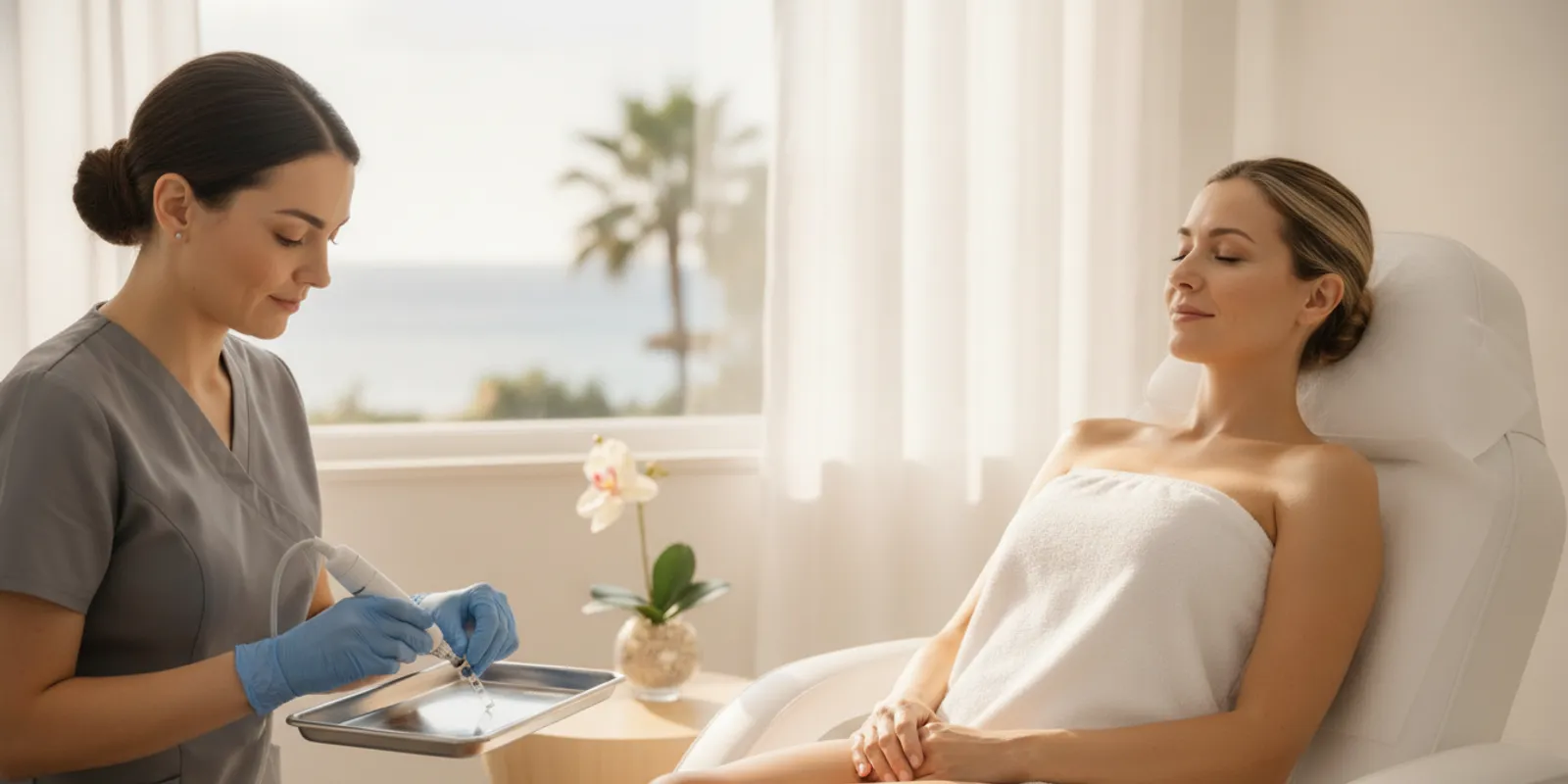
What is microneedling? It is a minimally invasive skin treatment in which a clinician uses very fine, sterile needles to create controlled micro-injuries in the skin. The goal is to prompt a natural repair response, which may help improve the appearance of texture, fine lines, and certain scars over time. It is not a one-size-fits-all procedure. A thoughtful plan begins with an evaluation of your skin, goals, health history, and schedule.
What is microneedling, in simple terms?
Microneedling is a skin-rejuvenation procedure sometimes called collagen induction therapy. A professional device makes many small, controlled punctures in the outer layers of the skin. These channels are part of a treatment performed with clinical technique and sterile equipment; they are not an invitation to create wounds at home. Chelsea and Westminster Hospital describes microneedling as a controlled process using tiny sterile needles to encourage the body’s natural healing response. Read its patient information on microneedling.
The repair process can involve collagen and elastin activity, but the response takes time and differs from person to person. The aim is generally a gradual change in the look and feel of skin, not an overnight transformation. A clinician chooses the method and treatment area based on the person in front of them, rather than applying a fixed plan to every patient.
Which concerns might lead someone to ask about microneedling?
People may ask about microneedling when they want to discuss uneven texture, fine lines, visible pores, certain acne scars or other superficial scars, changes in firmness, or a dull or rough-looking complexion. The American Academy of Dermatology Association notes that dermatologists may use it to address the appearance of acne scars, dark spots, large pores, melasma, and wrinkles. Its microneedling overview is a useful source for general questions.
These are reasons to seek an evaluation, not promises about what treatment will accomplish. Similar-looking concerns can have different causes. A clinician may recommend a skin-care plan, a facial, a medical-grade chemical peel, CO2 laser with a CoolPeel option, or another approach instead. Individual results may vary. Not a guarantee.
How does a microneedling appointment work?
The appointment involves more than the device. The conversation and assessment help determine whether treatment fits your goals and whether the timing makes sense.
1. Discuss your goals and history
Describe the specific change you hope to see, how long you have noticed the concern, and what you have already tried. Mention your usual skin-care routine, prior procedures, sensitivity, allergies, and any reaction to past treatments. Bring a current list of medications and supplements. Do not stop a prescribed medicine unless its prescriber advises you to do so.
Also share relevant medical history, including a tendency to scar, bleeding concerns, cold sore history, immune-system conditions, or problems with wound healing. These details help the clinician consider safety and alternatives. Be candid even if you think a detail is unrelated; the clinical team can decide what matters.
2. Have your skin assessed
The clinician examines the area, its current condition, and the concern you want to address. They may ask about sun exposure, active irritation, recent procedures, and the time you can allow for recovery. This is a chance to discuss what is realistic, what is uncertain, and whether another option could fit better.
A useful evaluation does not start by assuming microneedling is right for everyone. It should connect the proposed technique to a clear concern and explain why treatment is or is not appropriate. Ask how the clinician will adapt the plan if your skin changes before the appointment.
3. Prepare the treatment area
The skin is cleansed according to the practice’s protocol. A topical numbing product may be considered when appropriate. Preparation depends on the planned treatment and your medical evaluation. Follow the exact instructions you receive; generic online advice may not account for your skin or the technique being considered.
4. The clinician treats the selected area
The clinician works methodically with the device over the planned area. You may notice pressure, vibration, or a prickling sensation. Comfort can vary by person and by treatment area. The technique and depth should be selected by the clinician, not copied from a video or attempted with an at-home device.
5. Review aftercare before leaving
Before the appointment ends, make sure you understand what to apply, what activities or products to avoid, and when to resume your usual routine. Ask which changes are expected and whom to contact if something concerns you. If instructions are unclear, ask for clarification rather than guessing later.
Who may be a candidate, and when should treatment wait?
Adults bothered by a skin-texture or appearance concern may want to discuss microneedling, particularly if they understand that changes can be gradual. Only an individualized assessment can determine candidacy. An article or photograph cannot substitute for examining the skin and reviewing relevant health information.
An active infection, open wound, marked irritation, or recent sunburn may mean treatment should be postponed. A history of abnormal scarring, bleeding concerns, immune-system conditions, or poor wound healing should be discussed in advance. Pregnancy, breastfeeding, and some medicines may also affect timing or suitability. This list is not a complete screening tool, so disclose your circumstances and follow the clinician’s advice.
If you have a breakout or a new rash near the planned area, contact the practice before arriving rather than assuming the appointment can proceed. Similarly, tell the clinician if you have an important event or trip coming up. Timing can be part of candidacy: even an otherwise reasonable treatment may not fit a week when you cannot allow for visible recovery.
Synergy Wellness and MediSpa is a physician-led medical spa in Oceanport, New Jersey, serving nearby Monmouth County communities including Red Bank, Rumson, Little Silver, Shrewsbury, and Eatontown. Learn about the practice and its approach or explore its aesthetic services.
What should you expect after microneedling?
After treatment, skin may look pink or red and feel warm, tight, or sensitive. Some people notice mild swelling, dryness, flaking, or a rough sensation while the skin settles. The degree and duration vary with the person, the area, technique, and depth. Your own aftercare instructions take priority over broad descriptions.
For a short period, your clinician may advise avoiding intense heat, heavy sweating, swimming, direct sun, or products that could irritate the skin. Use the products and sun protection they recommend. Avoid picking, scrubbing, or trying to speed up flaking. If you are unsure whether a product is appropriate, ask before applying it.
Think through the days after treatment when choosing a date. For example, if you have a work presentation, family photographs, or travel planned, ask how much visible redness is reasonable to anticipate and whether a different date would be more practical. Do not schedule on the assumption that recovery will match someone else’s experience. If a symptom seems severe, persistent, or unlike the instructions you received, contact the practice or seek appropriate medical advice.
How long does it take to notice a change?
Microneedling is not meant to provide an instant final result. Some people notice a temporary glow as early changes settle, while changes in texture may take weeks or longer. A clinician may discuss a series, depending on the concern and the skin’s response. There is no universal session count or guaranteed timeline.
Progress should be assessed against the goal you agreed on, not a generic promise. If photographs are used, treat them as a way to observe your own course, not as a prediction of what another person will experience. If the response is different from what you expected, discuss it before deciding on another treatment. Individual results may vary. Not a guarantee.
Synergy’s information about collagen induction therapy in Oceanport provides context about the related service. It is still important to ask how the proposed plan applies to your skin rather than assuming a service description settles your candidacy.
Can microneedling be combined with PRP or exosomes?
Some practices discuss microneedling with PRP or exosomes. These are not automatic additions or necessary for everyone. Whether either combination is appropriate depends on your goals, health history, treatment area, and clinician’s evaluation. A discussion of an add-on should not obscure the basic questions: what concern is being addressed, why is this approach proposed, and what alternatives are available?
Ask what each component is intended to do, what evidence supports the proposed approach, what preparation and recovery involve, and how the plan differs from microneedling alone. Synergy provides information about microneedling with PRP or exosomes, but that topic has its own medical discussion. A combined treatment still requires individualized planning and should not be chosen just because it sounds more advanced.
How does microneedling compare with other skin treatments?
There is no single best option for every skin goal. The comparison depends on the concern, your skin history, your schedule, and the recovery you can accommodate. The table is a conversation aid, not a recommendation.
| Option | Often discussed for | What it involves | Questions to ask |
|---|---|---|---|
| Microneedling | Texture, fine lines, pores, selected scars | Controlled needle-based treatment and variable recovery | Is it appropriate for my concern and skin history? What aftercare applies? |
| Medical-grade skin care | Ongoing support for tone, texture, and routine goals | Product selection and consistent use over time | Which ingredients fit my routine? How do I manage irritation? |
| Medical-grade chemical peel | Selected surface texture or tone concerns | Professional application with product-specific preparation and recovery | What peel is proposed, and what downtime should I plan for? |
| CO2 laser with CoolPeel option | Selected rejuvenation and texture goals | Laser treatment planned around the individual and intended intensity | What are the settings, recovery, and alternatives for me? |
| Salt Facial® or another facial | Some surface-level skin-care or refreshment goals | Professional facial steps chosen for current skin needs | Does a facial address my main concern or complement another plan? |
For more context, compare medical-grade skin-care products and read about what a Salt Facial® involves. A consultation can help distinguish a home routine from an in-office procedure and clarify whether treatments should be sequenced or kept separate.
What should you ask before booking?
Use the consultation to make the plan specific. You might ask:
- Who will evaluate my skin and perform the treatment?
- Which concern are we treating, and what alternatives should I consider?
- What technique and area are planned, and why?
- What recovery should I schedule for, and what might change the plan?
- Which products, activities, or sun exposure should I avoid before and after?
- How could my health history, medicines, or current skin condition affect candidacy?
- Would microneedling with PRP or exosomes be relevant to my goals, or is a simpler approach more appropriate?
- How will we assess progress without promising a particular outcome?
It can help to arrive with a short list of goals and a list of what you currently use on your skin. If you have photos showing how a concern has changed over time, ask whether they would be useful to the clinician. The goal is not to persuade yourself into a procedure; it is to leave with a clear understanding of options, risks, aftercare, and next steps. The practice’s team information can help you prepare for that conversation.
Frequently asked questions
Is microneedling painful?
Comfort varies. People may feel pressure, vibration, or prickling. Ask what preparation may be used and what the planned treatment area could feel like.
Can I use a home microneedling device?
Home devices are not the same as a professionally planned procedure. They can differ in depth, hygiene controls, technique, and clinical oversight. Ask a qualified clinician before using a device on your skin.
Does microneedling remove acne scars?
It may be discussed for the appearance of certain scars, but it does not guarantee removal and may not suit every scar type or skin condition. A clinician must assess the scar and explain realistic options. Individual results may vary. Not a guarantee.
Can microneedling be done during a breakout?
Active irritation, infection, or an open lesion may affect timing. Tell the practice about current skin changes before your appointment so the clinician can decide whether treatment should proceed.
How should I choose a provider?
Look for an individualized evaluation, clear discussion of risks and alternatives, appropriate sterile technique, and practical aftercare guidance. The provider should be willing to explain why treatment may need to wait.
Microneedling can be one option to discuss when your goal is to address skin texture, but the appropriate plan depends on your skin, health history, and expectations. An individualized consultation is the right place to decide whether it belongs in your care plan.